The Canon 7D
- 18 September 2026
- 6 min read

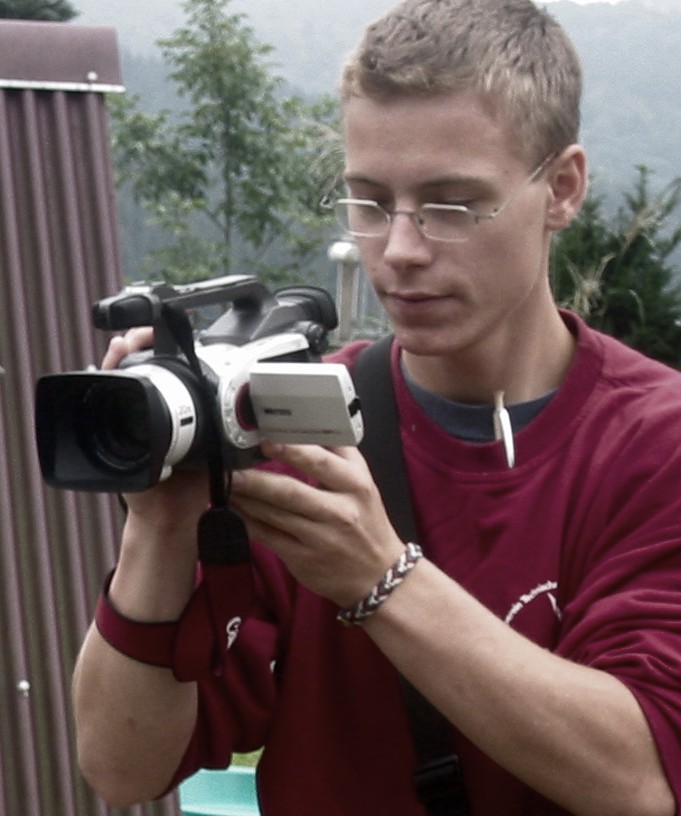
I bought my first video camera in 2001: the Canon XM1. At the time, the 720x576 pixels on a 3CCD sensor represented the cutting edge of technology. This video standard, known as PAL, was the norm that shaped my film studies at that time.
Slowly, a new standard began to take hold. With 1,920 x 1,080 pixels, HD seemed like a giant leap forward. Back then, we wondered, what kind of technology could possibly handle sooo many pixels? The new video cameras were just as large and expensive as you’d expect: massive shoulder-mounted cameras that cost as much as a small car.
At the same time, another revolution was taking place. Digital cameras were getting better, cheaper, and soon matched the quality of their analog predecessors. Their resolutions were well above 4K, yet they remained as small and portable as before and used the same sensor size - 35mm - which gave the photos the familiar film look of that era, a quality that had been completely absent from video cameras until then: blurred backgrounds, something filmmakers sorely missed in video cameras.
Suddenly, Canon changes the world
In 2008, something happened that was tantamount to an earthquake in the world of film production. Canon released the digital successor to the analog 5D - the 5D Mark II, which featured a full-frame sensor and thus also supported full-frame lenses. However, in addition to its standard capability of taking high-quality photos, Canon also incorporated the ability to record video in full HD format, despite the camera’s compact body. A hybrid of both worlds, offering every benefit imaginable at the time. And it got a little brother: the 7D, which - with minor compromises on the sensor - became affordable for indie filmmakers (the 7D body cost about 1,000 euros in 2010). This duo thus transformed the entire filmmaking landscape.
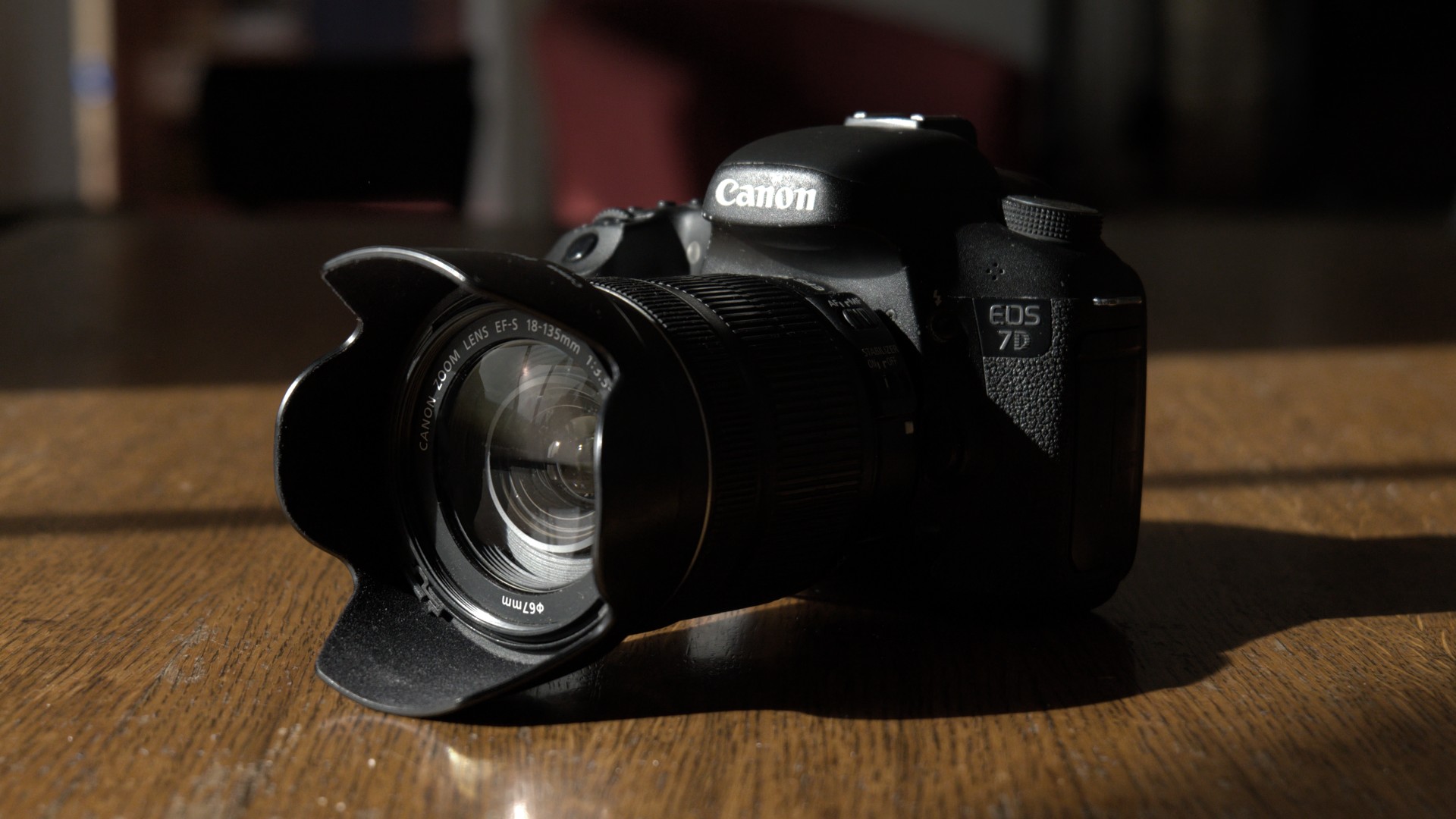
Half the world rushed to get their hands on these two cameras. At Edit 2009 in Stuttgart, a seminar in the main theater was dedicated to reviewing these cameras and comparing them to all the competitors’ flagship models, which I found quite impressive at the time. People who are now established filmmakers got their start back then with the 7D and shot their first music videos. Suddenly, a cinematic look became possible for anyone who wanted to be creative.
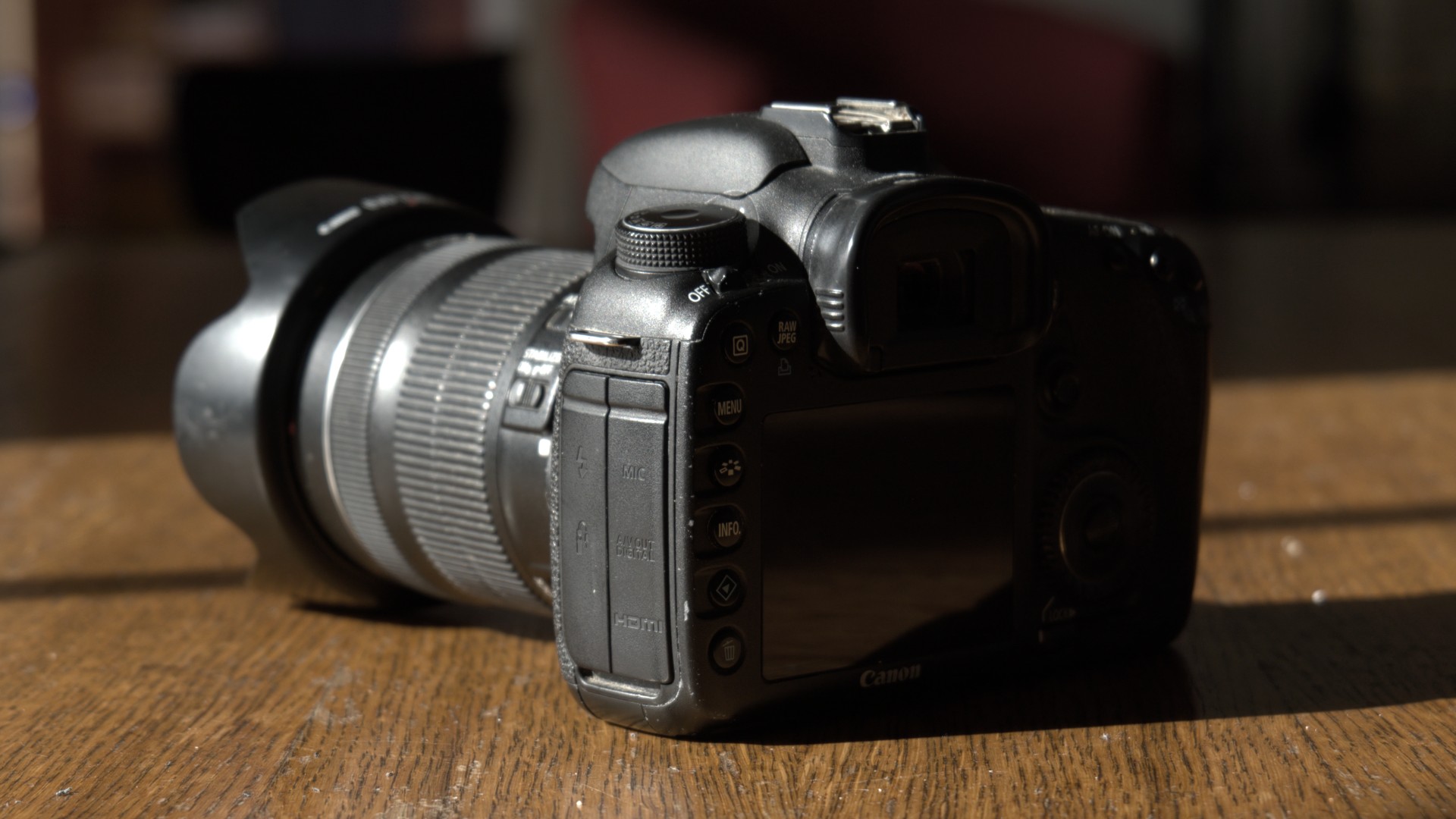
By 2010, it was completely clear to me: the 7D would be my next camera. But the camera alone was just the beginning. On top of that, we needed lenses, filters, spare batteries, memory cards, a preview monitor, a shoulder mount and a handheld grip, and a computer capable of processing HD footage. And that’s where we got lucky. The grant from the Lindenau Museum in Altenburg made it possible for us to take this step effortlessly and thus launch a real small-scale film production.
Fixed focal lengths
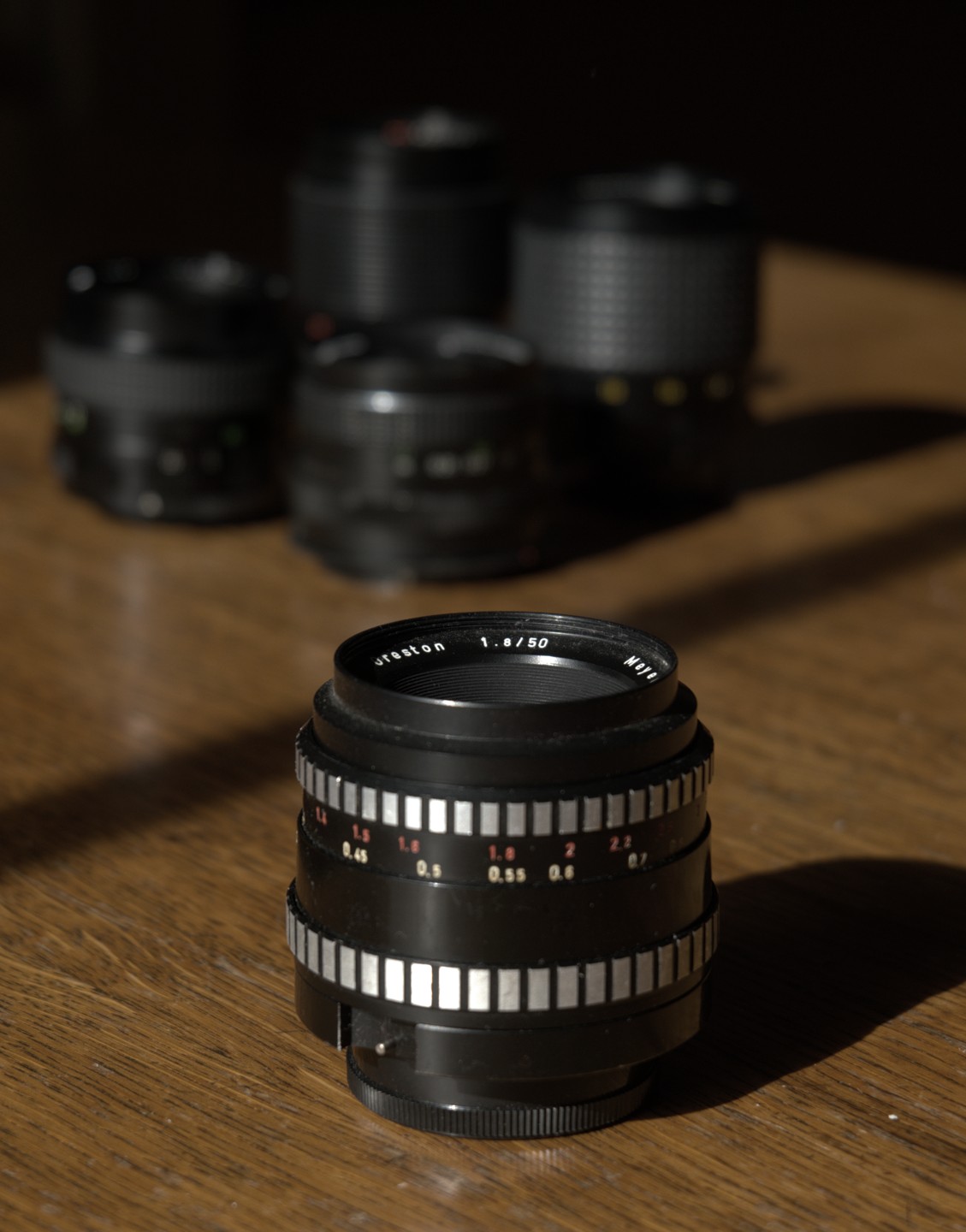
Since the camera worked just like a traditional camera, we were also able to use lenses from old Praktika cameras. Enrico Scholz, a photographer himself, gave me the idea and even helped me find the right adapter right away. This allowed us to add the fast prime lenses from our family and friends’ collections to our equipment, which opened up new, unexpected possibilities for us in low-light conditions. I still remember how Matthias and I tested the camera with a live feed on a laptop by candlelight. We were truly amazed at how bright and clear the final image looked. None of us had expected that. At that moment, it was clear that we’d be able to shoot “outdoors” without a lot of lighting equipment.
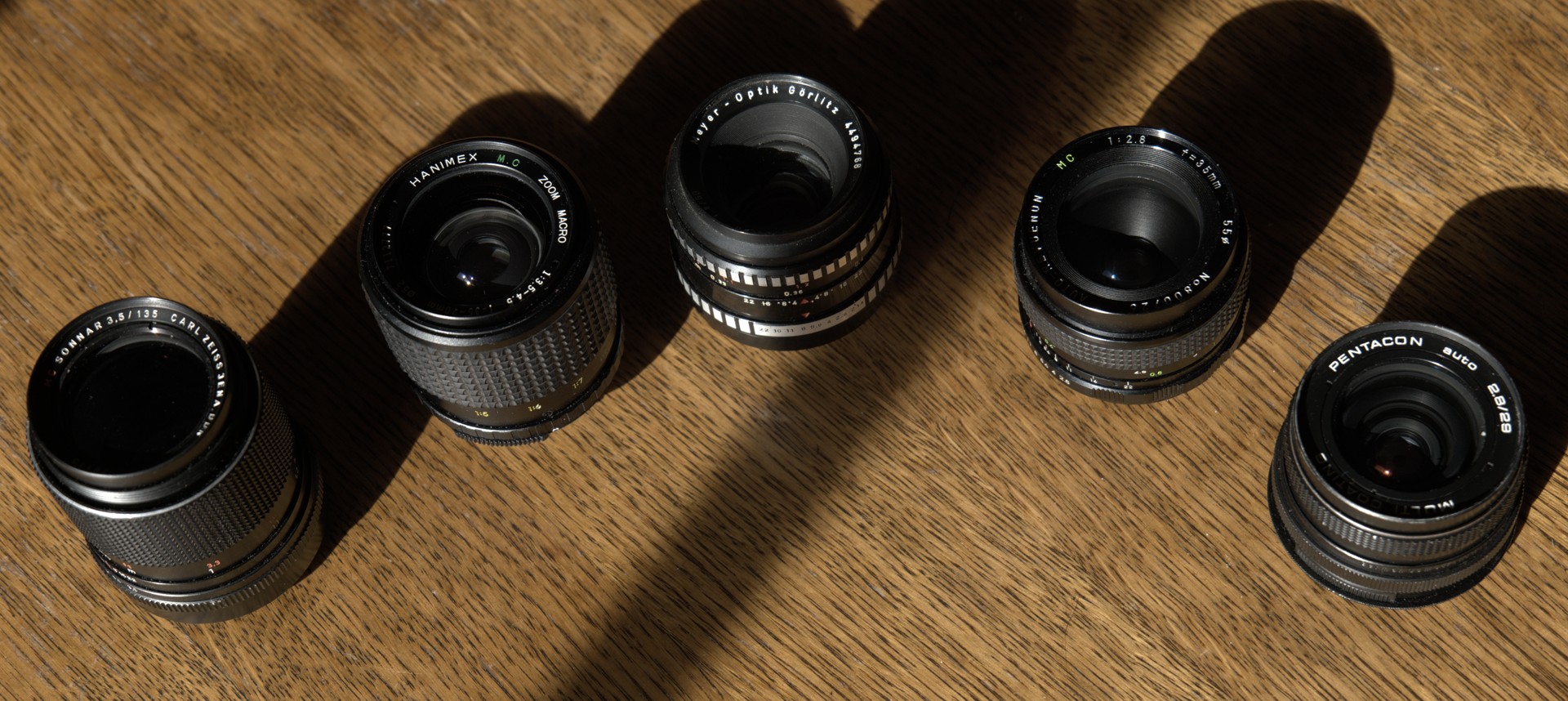
- Pentacon 1:2.8 / 29mm
- Exaktar 1:2.8 / 35mm
- Oreston 1:1.8 / 50mm Meyer-Optik Görliz
- Hanimex Zoom Macro 1:3.5-4.5 / 35-70mm
- Sonnar 1:3.5 / 135mm Carl Zeiss Jena DDR
Thanks to the look of these old lenses and their strong light, we were able to give the film an extra old-school vibe and, in doing so, break up the clean, digital image. They produced a slight chromatic aberration at the edges of the frame and, because of their unique aperture blades, created very distinctive bokeh. I think our cinematographer, Matze, had literally fallen in love with their look.

The basic setup is still ours today
With this setup, we were able to work with great flexibility in the summer of 2010. The equipment was quick to set up, and we could even do longer camera moves over rough terrain by hand. In fact, the camera seemed completely liberated. In the past, it was unthinkable to film with these massive, high-end cameras in a car without first removing the passenger seat. Today, thanks to gimbal stabilization, they seem to fly effortlessly through houses, streets, and sometimes even forests.
That’s why, even after the "Draußen" shoot, we continued to use this camera and the workflow tailored to it. Building on this technology, we established a full-fledged commercial film production company in the years that followed - bellmannmedia. Today, we use the Panasonic Lumix S1H, a camera that still operates exactly like the 7D - a camera that is, however, designed and built specifically for filming and can be perfectly combined with existing accessories such as tripods, gimbals, or hand rigs. And it now shoots 6K footage.
